Demographic and food frequency survey of a marginalized community in Almora, Uttarakhand, India
DOI:
https://doi.org/10.26596/wn.202415348-55Keywords:
Marginalized community, Nutrition, Traditional food habits, Rural living status, HimalayaAbstract
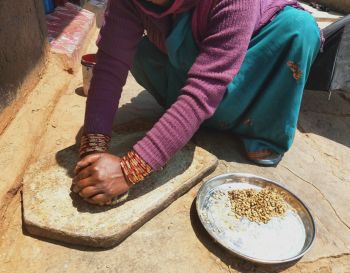
The demography and eating behaviour of the marginalized communities residing in the Almora district of Uttarakhand, India, was investigated. It was observed that agriculture was the main income source along with other work such as labourer, black-smith, etc. Food consumption was mainly dependent upon either the Government Public Distribution System or on traditional coarse grains which were being produced only for their own consumption. Traditional food crops were being neglected in the Himalayan region due to the deterioration of local food systems, changing food habits, and lack of awareness of the uses and nutritional value of traditional crops.
Downloads
Downloads
Published
Issue
Section
License
Authors retain all copyrights. In making a submission to World Nutrition, they are certifying that all material is theirs except quotations, as indicated, and that they have obtained permission for any photos, tables, or graphics taken from other publications or websites.
How to Cite
Share