The Healthy Canteen Initiative: Transforming Workplace Nutrition in Thailand
DOI:
https://doi.org/10.26596/wn.2025163159-162Keywords:
Non-communicable diseases, workplace canteen, public-private partnerships, healthy menus, food safety and hygiene standards, dietary habits, nutritional health literacy, digital ecosystemAbstract
Abstract
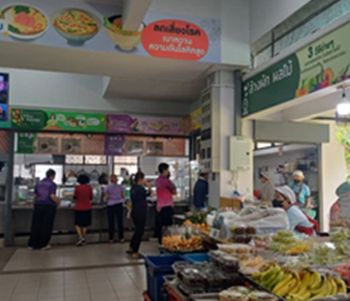
Thailand is addressing the growing burden of non-communicable diseases (NCDs) through a novel, preventative public health approach that begins in workplace canteens. Rising rates of obesity, diabetes, and hypertension–largely driven by poor dietary habits–have prompted the Ministry of Public Health to launch the “Healthy Canteen” initiative in 2020. Spearheaded by the Department of Health’s Bureau of Nutrition and aligned with the World Health Organization’s Global Strategy for Food Safety, the program establishes stringent nutritional and hygiene standards for workplace cafeterias nationwide. Certified canteens must meet seven criteria, including offering healthy menus, fresh fruit, reduced-sugar options, and visible nutritional labeling.
Digital innovations, such as the “Food4Health” application introduced in 2022, have accelerated certification processes and improved monitoring efficiency. The number of certified healthy canteens has grown from 81 in 2021 to 373 by the end of 2024, with the initiative expanding through public-private partnerships involving hospitals, private companies, and educational institutions. Preliminary evidence suggests that organizations with healthy canteens benefit from reduced employee sick leave and lower healthcare costs. Despite ongoing challenges, such as cost barriers for smaller vendors, the initiative aims to certify 1,000 canteens by 2027, enhancing nutritional health literacy and empowering Thais to make informed dietary choices to combat NCDs.
Downloads
Published
Issue
Section
License
Authors retain all copyrights. In making a submission to World Nutrition, they are certifying that all material is theirs except quotations, as indicated, and that they have obtained permission for any photos, tables, or graphics taken from other publications or websites.