Transforming maternal, infant and young child nutrition in Southeastern Madagascar: A case study on the role of the baby-friendly community initiative
DOI:
https://doi.org/10.26596/wn.202516373-88Keywords:
IYCF, BFCI, maternal nutrition, infant and young child feeding, multi-sectoral, Baby-Friendly Community InitiativeAbstract
Background
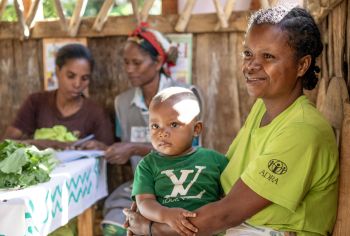
Achieving optimal Maternal, Infant and Young Child Nutrition (MIYCN) practices remains challenging in many Low- and Middle-Income Countries, and Madagascar is no exception. A UNICEF report revealed little improvement in the diets of young children over the past decade. The Baby Friendly Community Initiative (BFCI), which extends facility-based support for breastfeeding to a more comprehensive community-level, is a relatively recent innovation to improve IYCN practices. In Madagascar, in collaboration with Madagascar’s Ministry of Public Health and Office of National Nutrition, the Adventist Development and Relief Agency (ADRA) was the first non-governmental organization (NGO) to pilot BFCI, as part of its five-year multisectoral project called FIOVANA.
Objective
The objectives of this case study were to document and share key factors, best practices, lessons learned, and key stakeholders associated with the rollout of the BFCI in Madagascar and its effect on MIYCN, and associated health-seeking and Water, Sanitation, and Hygiene (WASH) behaviors.
Methods
A two-phased qualitative case study, led by MIYCN experts, was conducted. Phase 1 (March-June 2023) included Key Informant Interviews (KIIs) to assess training content, quality, and short-term changes in policies and potentially, behaviors. Phase 2 (September-October 2023), six months after BFCI cascade training, examined community-level adoption and staff perceptions of changes in MIYCN, health, and WASH behaviors in two districts (Mananjary and Farafangana). Data from key ADRA staff; stakeholders, including health workers; and community members were analyzed using ATAS.ti.
Results
A total of forty-seven (47) KIIs were conducted in both phases. Fifty-seven percent (57%) of the participants were female, with a mean age of 42 years. The review of training topics aligned with BFCI, and qualitative evaluations showed improved capacity among health workers and an impression of enhanced maternal knowledge in the community. This appeared to lead to positive behavioral changes, such as the introduction of diverse foods into children's diets, antenatal and postnatal care seeking, and WASH behaviors. Strong collaboration with the Ministry of Public Health Nutrition division at different levels contributed to the program's success. Additionally, community groups, such as mother-to-mother support groups, were vital in disseminating key messages across the districts. Key gaps were the absence of a clear BFCI monitoring and evaluation plan and explicit guidance on how communities would attain certification.
Downloads
Published
Issue
Section
License
Authors retain all copyrights. In making a submission to World Nutrition, they are certifying that all material is theirs except quotations, as indicated, and that they have obtained permission for any photos, tables, or graphics taken from other publications or websites.