Effect of a community-based intervention on child nutritional status in Rimi Ward, Kano State, Nigeria
DOI:
https://doi.org/10.26596/wn.2025164126-132Keywords:
child nutrition, nutritional status, wasting, MUAC, WFH Z score, weight for height, mid-upper arm circumferenceAbstract
Background
Suboptimal infant and young child feeding practices significantly contribute to poor child nutritional status, particularly in low-income settings like Nigeria, where high prevalences of undernutrition, including stunting, wasting, and underweight, persist (WHO, 2021; NDHS, 2023). Community-based interventions are crucial for improving nutritional outcomes.
Objective
This study evaluates the effect of a community-based intervention, comprising nutrition education, home gardening, and small-scale animal rearing, on the nutritional status of children aged 6-59 months in Rimi Ward, Sumaila LGA, Kano State, Nigeria.
Methods
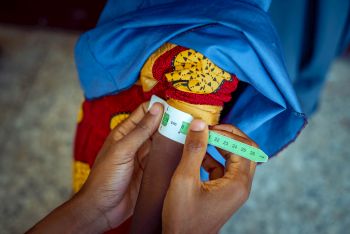
A quasi-experimental study design was employed to assess weight-for-height Z-score (WFH Z-score) and mid-upper arm circumference (MUAC) at baseline and endline after a 6-month intervention period for a cohort of 148 children aged 6-59 months. A multi-stage sampling technique was used; Rimi Ward was purposively selected for its high malnutrition burden. Four community volunteers were recruited and trained for three days to assist with anthropometric measurements (weight, height/length, and MUAC) during baseline and endline data collection. After the baseline assessment, a six-month community-based intervention comprising nutrition education, home gardening, and goat and poultry rearing was implemented. Paired samples t-test was used to determine significant changes in mean WFH Z-score, and Stuart Maxwell tests were used to assess changes in WFH Z-score and MUAC nutritional status categories.
Results
The socio-demographic profile showed that most caregivers of these children (51.4%) were young mothers aged 16–25 years, with no formal education (59.5%). Most were self-employed or unemployed and incomes were low. The intervention led to significant improvements in child nutritional status. The prevalence of moderate wasting (14.2% to 5.4%) and severe wasting (7.4% to 0.7%) decreased substantially. Similarly, MUAC showed marked reductions in severe acute malnutrition (6.1% to 0%) and moderate acute malnutrition (6.8% to 1.4%), with a corresponding increase in normal nutritional status (87.2% to 98.7% of children) (p <0.001).
Conclusions
These findings highlight the potential of integrated, community-led programs to address child undernutrition in similar resource-constrained environments. Policymakers should consider scaling up such models by embedding nutrition education, home gardening, and livestock rearing into existing primary health and community agricultural systems to achieve sustainable improvements in child nutrition.
Downloads
Downloads
Published
Issue
Section
License
Authors retain all copyrights. In making a submission to World Nutrition, they are certifying that all material is theirs except quotations, as indicated, and that they have obtained permission for any photos, tables, or graphics taken from other publications or websites.
How to Cite
Share