Feasibility-testing of recommendations in Ghana’s food-based dietary guidelines
DOI:
https://doi.org/10.26596/wn.202516439-54Keywords:
Comprehension, Acceptability, community-Level, Dietary guidelines, GhanaAbstract
Background
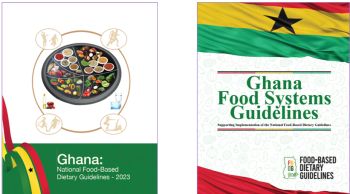
Ghana published her first national Food-Based Dietary Guidelines (FBDG) in 2023. The process of developing the guidelines required field-testing of the draft recommendations in both text and graphic formats. The testing focused on assessing user comprehension, acceptability and feasibility of the draft recommendations.
Objective
In this paper, we describe the process and findings of this testing.
Methods
Seventy-four focus group discussions (FGDs) comprising 579 participants from the Coastal Savannah, Forest Transition and Northern Savannah zones were conducted. Adult and adolescent males and females were selected, purposively through a multi-stage process to participate in the discussions. The audio-recorded interviews from the FGDs were transcribed and thematically analyzed using a combination of pre-determined and emerging coding approaches.
Results
Across locations, sex and age groups, all 12 draft recommendations tested were generally considered understandable; however, there was a need to revise the wording of some recommendations to enhance clarity. FGD participants were able to correctly recognize and interpret the images designed to complement the communication of the recommendations. Participants particularly acknowledged the colourful nature of the food guide graphics and their inclusion of familiar foods. There was a general expressed willingness to adopt the recommendations, which was attributable to the perception that the messages aligned with the local food culture. Eating fruit daily and reading food labels and nutrition information on pre-packaged food, however, were considered counter-cultural. Food prices, seasonality, distance to markets, preferences and tastes, as well as traditional dietary practices, were also identified as potential barriers to adoption of the recommendations. Strategies suggested by participants to enable adoption of the recommendations included paying food production subsidies to farmers (especially for nutrient-rich foods), accompanying graphics with texts, prioritizing consumption of local foods and translating the recommendations into local languages.
Conclusions
Generally, the technical recommendations for Ghana’s draft were considered to be comprehensible, culturally sensitive and feasible to adopt. These findings have been taken into consideration in finalizing the FBDG and should help guide its implementation.
Downloads
Downloads
Published
Issue
Section
License
Authors retain all copyrights. In making a submission to World Nutrition, they are certifying that all material is theirs except quotations, as indicated, and that they have obtained permission for any photos, tables, or graphics taken from other publications or websites.
How to Cite
Share