Consumption pattern of indigenous leafy vegetables among selected households in Ibadan Zone, Nigeria
DOI:
https://doi.org/10.26596/wn.202516247-52Keywords:
indigenous leafy vegetables, consumption patterns, household level, Oyo State, Ibadan ZoneAbstract
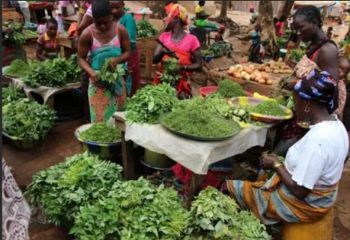
This study investigated the consumption pattern of indigenous leafy vegetables (ILVs) among selected households in Ibadan zones of Oyo State, Nigeria. A multistage sampling procedure was used to select 120 respondents; data were collected using a structured questionnaire and analyzed using descriptive and inferential statistics, Chi square test, Correlation coefficient, and ANOVA. Among our respondents, 67.5% were aware of ILVs, but only 51.7% had a low level consumption pattern and 48.3% consumed them often. The most commonly consumed ILVs were bitter leaf (46.7%), jute mallow (65.9%), water leaf (55%), green amaranth (43.4%), fluted pumpkin (42.5), Lagos spinach (40.8%), and scent leaf (40.0%). Most of the respondents had favourable perceptions of the health benefits of consuming ILVs. Awareness (r=0.304, p=0.001) and constraints (r=0.247, p=0.007) also significantly influenced consumption. There were significant differences in consumption frequency among households in the rural, semi-urban, and urban selected areas (F=5.236, p=0.007). Promoting awareness and addressing constraints through initiatives such as media strategic awareness campaigns and extension services, may increase the consumption of ILVs among households in the study area.
Downloads
Downloads
Published
Issue
Section
License
Authors retain all copyrights. In making a submission to World Nutrition, they are certifying that all material is theirs except quotations, as indicated, and that they have obtained permission for any photos, tables, or graphics taken from other publications or websites.
How to Cite
Share